
 By Olivia Wilson Media Team
Eduardo Tamayo gained public recognition primarily through his marriage to Tulsi Gabbard, the prominent American politician and military veteran who served as a U.S. Representative for Hawaii. While he maintained a relatively private life compared to his former spouse, interest in his background, career, and personal story continues among those following political figures and their personal lives. Understanding who Eduardo Tamayo is requires looking beyond his connection to a public figure and examining his own journey and accomplishments.
The curiosity surrounding Eduardo Tamayo reflects a broader public interest in the personal lives of individuals connected to political leadership. People naturally want to understand the backgrounds and relationships of those who influence public policy and national discourse. Eduardo Tamayo represents someone who experienced life in the political spotlight peripherally, navigating the challenges that come with being married to an emerging political leader while maintaining his own identity and career path.
Despite the attention his connection to Tulsi Gabbard brings, Eduardo Tamayo has consistently chosen to maintain privacy regarding many aspects of his personal life. This discretion makes information about him more scarce than typical public figures, leading to increased interest from those seeking to understand the complete picture of influential political families and their personal dynamics. His story offers insights into the sacrifices and challenges faced by partners of political figures who pursue demanding public service careers.
Information about Eduardo Tamayo’s early life remains limited due to his preference for privacy and the fact that he did not seek public attention before or after his marriage to a political figure. What is known suggests he grew up with values emphasizing hard work, service, and commitment to causes larger than himself. These foundational principles would later influence his decision to serve in the military and support his then-wife’s emerging political career.
The cultural and family background of Eduardo Tamayo shaped his worldview and approach to life’s challenges. While specific details about his upbringing remain private, the choices he made as a young adult reveal someone committed to public service and willing to make personal sacrifices for broader causes. This character foundation proved essential during the demanding years when both he and Tulsi Gabbard were building their respective careers while managing the complexities of married life.
Educational background and early career choices for Eduardo Tamayo set trajectories that would intersect with military service and eventually the political world through marriage. The formative experiences during these early years created skills and perspectives that served him throughout subsequent life challenges. Understanding this foundation helps explain the decisions he made during critical junctures in his personal and professional journey.
Eduardo Tamayo married Tulsi Gabbard in 2002 when both were young adults beginning to establish their lives and careers. Their relationship developed during a period when Gabbard was starting her political journey, having recently been elected to the Hawaii House of Representatives at just 21 years old. The marriage brought Eduardo Tamayo into proximity with political life, even as he pursued his own path through military service and other endeavors.
The relationship between Eduardo Tamayo and Tulsi Gabbard faced immediate challenges as both were committed to military service during a time of national crisis following the September 11 attacks. This shared commitment to serving their country created both common ground and significant strain on their young marriage. The difficulties of maintaining relationships while deployed or preparing for deployment tested their bond in ways that many military couples understand intimately.
Their marriage lasted until 2006, ending in divorce after approximately four years together. The separation occurred during a particularly demanding period in Tulsi Gabbard’s life as she balanced military deployment to Iraq with her emerging political career. Eduardo Tamayo and his former wife have both spoken respectfully about their relationship in the limited instances when they’ve addressed it publicly, acknowledging that the timing and circumstances made sustaining their marriage extremely challenging despite mutual respect and care.
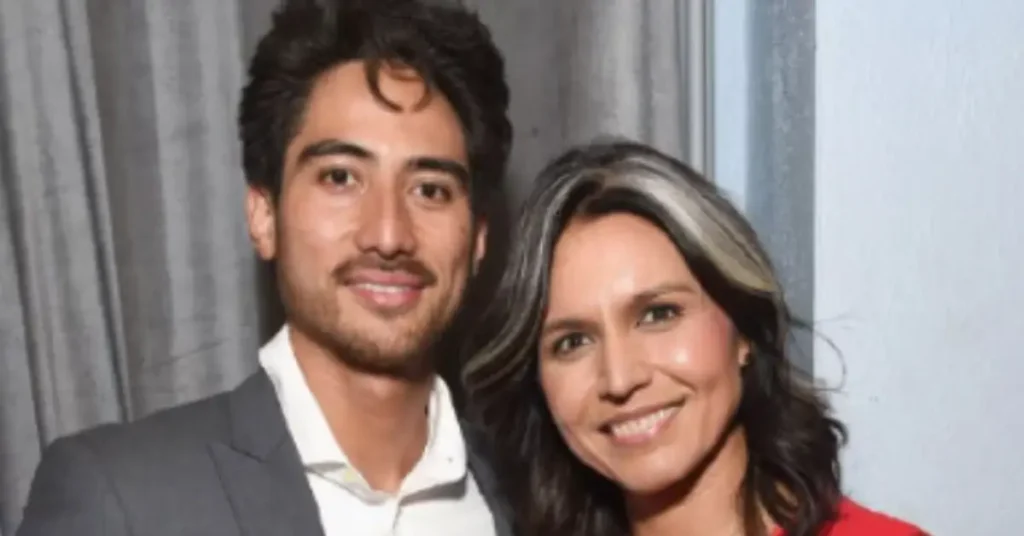
Military service represents a significant chapter in Eduardo Tamayo’s life, demonstrating his commitment to serving his country during a critical period in American history. Like his then-wife Tulsi Gabbard, he answered the call to serve following the September 11 attacks and the subsequent military operations in the Middle East. This shared experience of military life created understanding between them about the demands, sacrifices, and perspectives that come with wearing the uniform.
The specific details of Eduardo Tamayo’s military service, including his branch, rank, and deployment history, remain largely private consistent with his overall approach to public attention. What is clear is that his service occurred during active conflict periods, meaning he potentially faced the same risks and challenges as thousands of other service members deployed to combat zones. This experience shapes veterans in profound ways that civilians often struggle to fully comprehend.
Life after military service for Eduardo Tamayo involved transitioning back to civilian life, a process that veterans describe as challenging regardless of their specific service experiences. The skills, discipline, and perspectives gained through military service typically influence veterans’ subsequent career choices and personal development. For Eduardo Tamayo, this transition occurred while also navigating the end of his marriage and determining his next life chapter separate from the political world his former spouse was increasingly entering.
Following his divorce from Tulsi Gabbard in 2006, Eduardo Tamayo chose to step even further from public view, focusing on building his life away from political attention. This decision reflects a common pattern among individuals who exit relationships with public figures, preferring privacy to the scrutiny that comes with ongoing media interest. The respect for privacy that Eduardo Tamayo has maintained over the years demonstrates consistency in his values regarding public exposure and personal boundaries.
Career development after the divorce allowed Eduardo Tamayo to establish professional identity independent of his former marriage. While specific details about his career path remain private, the choices he made reflect someone building a stable, meaningful life focused on personal growth rather than public recognition. This trajectory contrasts sharply with the increasingly public life his former spouse pursued through higher political office and eventually a presidential campaign.
Personal relationships and family life for Eduardo Tamayo since the divorce remain almost entirely out of public view, a testament to his successful maintenance of privacy in an era where personal information often becomes readily available online. This discretion suggests intentional choices about social media presence, public appearances, and sharing personal information that could fuel public curiosity. The contrast between his privacy and his former wife’s public life highlights different approaches to managing personal information in the digital age.
The approach Eduardo Tamayo has taken toward privacy offers insights into how individuals connected to public figures can successfully maintain boundaries despite ongoing public interest. Unlike some who leverage connections to public figures for their own attention or opportunities, he has consistently chosen the opposite path. This decision likely stems from personal values about privacy, recognition of how public exposure can complicate personal life, or simply preference for living outside media scrutiny.
Managing public curiosity while maintaining privacy requires conscious choices about what information to share, which events to attend, and how to respond to media inquiries. Eduardo Tamayo appears to have established clear boundaries early and maintained them consistently over the years. This consistency has likely contributed to the media eventually losing intense interest as he proved unwilling to provide the comments or appearances that fuel ongoing coverage.
The respect that Eduardo Tamayo has shown for his former spouse’s public career while maintaining his own privacy demonstrates maturity and understanding of how public commentary from former partners can create unwanted complications. His discretion about their marriage and divorce has allowed Tulsi Gabbard to control her own narrative about personal life without contradictory accounts or public disagreements that sometimes characterize relationships between public figures and their former partners.
The life path of Eduardo Tamayo offers several lessons about navigating relationships with public figures, maintaining personal boundaries, and building life after major transitions. His experience demonstrates that it’s possible to be connected to political fame while still preserving personal privacy if one is committed to that goal. This balance proves increasingly challenging in the social media era, making his success at maintaining privacy even more noteworthy.
Service and sacrifice represent themes running through Eduardo Tamayo’s known history, from military commitment to supporting a spouse’s demanding political career. These choices reflect values that prioritize contribution over personal comfort, a perspective shared by many in military and public service communities. Understanding these values helps explain the decisions he made during critical periods, even when those decisions involved personal cost.
The dignity with which Eduardo Tamayo has handled public curiosity about his personal life sets an example for others in similar positions. Rather than seeking attention, settling scores publicly, or leveraging past connections for current opportunities, he has simply lived his life according to his own values. This approach may not generate headlines, but it represents a form of integrity that deserves recognition and respect.
Political marriages face unique pressures that test even the strongest relationships, as the demanding nature of political life often conflicts with the time, presence, and emotional energy that healthy marriages require. The marriage between Eduardo Tamayo and Tulsi Gabbard exemplifies these challenges, occurring during a period of military deployment and emerging political career that left little room for the relationship nurturing that young marriages especially need.
The divorce rate among political figures and their spouses reflects these structural challenges rather than individual failures. Eduardo Tamayo’s experience represents one of many cases where the demands of political life contributed to relationship dissolution. Understanding this pattern helps contextualize individual stories within broader societal observations about how public service careers impact personal relationships and family stability.
Support systems for political spouses vary widely, with some political families having established networks and resources while others navigate challenges more independently. Eduardo Tamayo’s experience occurred relatively early in Tulsi Gabbard’s political career, before she had access to the support systems that come with higher office. This timing may have contributed to the challenges they faced as a couple trying to sustain their relationship amid competing demands.
Current information about Eduardo Tamayo remains scarce, consistent with his long-standing approach to privacy. Unlike public figures who maintain social media presence or occasionally appear in media coverage, he has successfully maintained life outside public view. This success at privacy is noteworthy given the ease with which information typically surfaces in the digital age and the ongoing public interest in anyone connected to prominent political figures.
Professional activities and career success for Eduardo Tamayo likely continue away from public documentation, allowing him to build and maintain a career without the complications that public recognition sometimes brings. Many people prefer this separation between personal identity and professional life, finding that privacy enables them to advance based on merit rather than outside associations or public perception factors.
The possibility exists that Eduardo Tamayo has built family life, pursued personal interests, and achieved goals entirely separate from his past public connection. This scenario represents the ideal outcome for someone seeking to move forward after a high-profile relationship ends. The absence of information about these aspects of his life suggests he has successfully established the privacy he apparently values.
In the broader context of political history, Eduardo Tamayo occupies a minor but legitimate place as the first husband of Tulsi Gabbard during the early stages of her political career. Historical records of her life and career will note their marriage and divorce as biographical facts, even if Eduardo Tamayo himself remains a relatively obscure figure. This dynamic is common in political history where spouses and family members are noted but not extensively documented unless they played direct roles in political activities.
The legacy of Eduardo Tamayo, to the extent one exists in public consciousness, centers on his military service and the respectful manner in which he has conducted himself regarding his former marriage. These elements paint a picture of someone who served his country, supported a spouse’s political emergence, and then moved forward with dignity when that relationship ended. This narrative may be incomplete given limited information, but the available evidence supports this general characterization.
Future biographical works about Tulsi Gabbard will inevitably mention Eduardo Tamayo, ensuring that his name appears in historical records even if detailed information about him remains limited. This historical footnote status appears entirely consistent with his preferences and choices, suggesting he is comfortable with this level of recognition rather than seeking expanded public profile or historical documentation.
Eduardo Tamayo and Tulsi Gabbard married in 2002 during the early stages of their adult lives and careers.
They divorced in 2006 due to military deployments, career pressures, and the challenges of maintaining a relationship during demanding circumstances. Both have spoken respectfully about the separation.
Eduardo Tamayo keeps his life private and stays largely out of the public spotlight, with limited public information available about his current activities.
Yes, Eduardo Tamayo served in the military during the same period as Tulsi Gabbard, although detailed information about his service remains private.
There is no publicly confirmed information about Eduardo Tamayo’s remarriage or personal life after the divorce, as he maintains strong privacy.
Eduardo Tamayo represents an increasingly rare example of someone connected to political prominence who has successfully maintained personal privacy despite ongoing public curiosity. His story intersects with American political history through his marriage to Tulsi Gabbard, yet he has managed to build life beyond that connection without seeking or receiving extensive public attention. This balance between historical footnote and private individual reflects choices he has consistently made about how to navigate post-divorce life.
The limited information available about Eduardo Tamayo should not be interpreted as lack of accomplishment or interesting life story, but rather as successful boundary maintenance in an era where privacy has become increasingly difficult to preserve. His military service, support of a spouse’s political emergence, and dignified conduct following divorce all suggest someone of character who simply prefers living outside public scrutiny. These choices deserve respect rather than endless attempts to uncover private details he clearly wishes to keep personal.
For those interested in Eduardo Tamayo, the takeaway should be that some individuals connected to public figures choose privacy over publicity, and that choice merits respect. His story reminds us that not everyone seeks attention, that dignity can be found in quiet living, and that historical significance does not require ongoing public presence. Eduardo Tamayo appears to have built a life aligned with his values, and that success may be his most important story even if the details remain known only to him and those closest to him.